
Men vs. Women: Do Our Bodies Recover from Stress Differently?
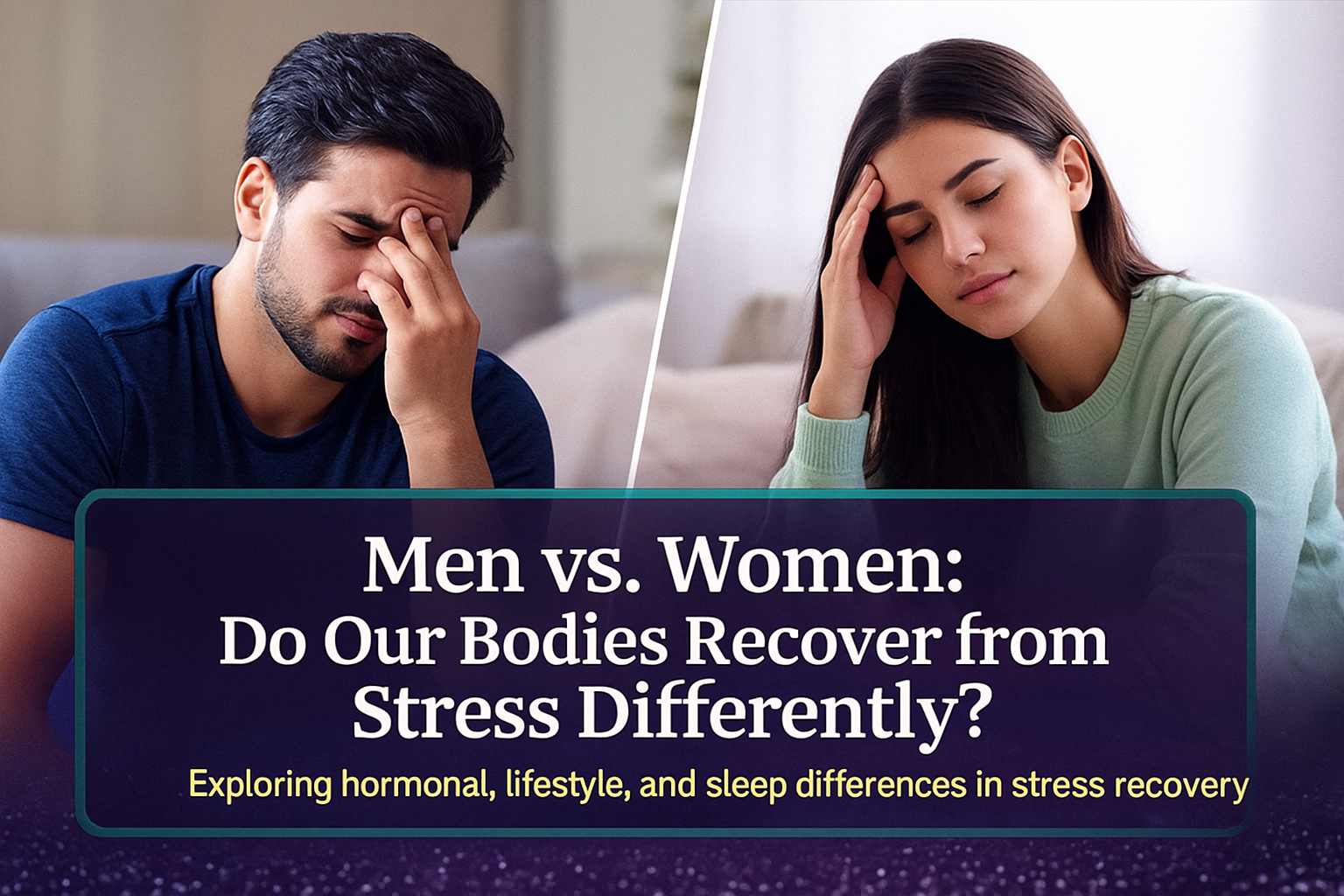
Stress has become a normal part of daily life, whether you live in a busy metro like Chennai, a growing city like Coimbatore, or even a calm town in Tamil Nadu. Work pressure, financial responsibilities, family commitments, emotional expectations everything adds to the stress we carry every day. But have you ever wondered why men and women react to stress differently? Why do some people get tired faster, while others recover more easily? Science shows that men and women do not just handle stress differently—their bodies also recover from it in different ways.
For many households, especially in Tamil Nadu, stress plays a huge role in sleep quality, mood, and overall well-being. Understanding how our bodies respond and heal can help us choose better lifestyle habits, better sleep routines, and even better mattresses that support healthier recovery.
How the Body Reacts to Stress
When we experience stress, our body releases cortisol and adrenaline—the “fight or flight” hormones. These hormones prepare us to deal with a challenge, but they also increase heart rate, blood pressure, and muscle tension. If this continues for too long, the body becomes exhausted and takes longer to bounce back.
While the stress response is the same for both men and women, the recovery process is shaped by hormones, brain wiring, and lifestyle patterns.
Why Women Often Feel Stress More Intensely
Women today juggle multiple roles—career, home responsibilities, relationships, parenting—and the emotional load is often heavier. Studies show that women experience higher fluctuations in cortisol due to hormonal cycles. This makes them more sensitive to emotional stress, which explains why women often feel overwhelmed even when the situation seems small to others.
Women also tend to overthink stressful events, causing longer stress duration. This means their bodies take more time to return to a calm state. Sleep disturbances, headaches, and fatigue are more common in women during stressful times. In Tamil Nadu families, where women handle both household and professional demands, this stress load is even more visible.
Why Men Respond to Stress Differently
Men, on the other hand, generally show a “fight first, think later” reaction. Their bodies pump adrenaline faster, making the short-term stress response stronger. Men might not express stress verbally, but their bodies show it through irritability, withdrawal, or sudden bursts of anger. Because men suppress emotions more often, stress manifests physically—through body pain, stiff shoulders, or poor sleep.
However, research also shows that men recover faster from physical stress than emotional stress. They may appear calm, but the internal tension could build up silently. Many men in Tamil Nadu who work long hours or handle financial pressure experience this pattern—less emotional reaction, but more physical strain.
Sleep: The Key to Stress Recovery
No matter how different the stress responses are, sleep remains the most powerful recovery tool for both men and women. During deep sleep, the body repairs tissues, balances hormones, lowers cortisol, and resets the brain. Without proper sleep, stress stays trapped in the body, leading to tiredness the next day.
Women need slightly more sleep than men, especially during periods of hormonal change—pregnancy, menstruation, or menopause. Men, on the other hand, require consistent sleep cycles to maintain stable cortisol and testosterone levels. In Tamil Nadu’s hot climate, poor mattress ventilation and heat retention also affect sleep quality, making stress recovery harder.
A supportive, breathable mattress helps muscles relax and ensures deeper sleep cycles—something essential for both men and women under stress.
How Lifestyle Differences Affect Stress Recovery
Daily routines also play a major role.
Women tend to multitask throughout the day, which keeps the brain constantly alert. This delays recovery even after the stress ends. A relaxing bedtime routine—warm showers, dim lights, and reducing mobile usage—helps the brain slow down.
Men often cope through distraction—TV, phone, or avoiding conversations. This may reduce emotional stress temporarily, but it delays true recovery. Simple practices like evening walks, stretching, or meditation help the body unwind more effectively.
Eating patterns also matter. Women may lose appetite during stress, while men may overeat. Both habits affect sleep, making stress recovery slower.
Final Thought
The difference in stress recovery between men and women is not just biological—it’s also shaped by daily habits, emotional roles, and personal responsibilities. Women may feel stress faster and longer because of hormone sensitivity and emotional multitasking. Men may push stress deeper into the body, leading to physical fatigue and sleep disruption.
Understanding these differences can help families in Tamil Nadu support each other better. Instead of saying “why are you stressed?”, we can start asking “how can I help you rest better?”
A comfortable sleep environment, healthier routines, and emotional support can make a big difference in how quickly the body heals. Choosing the right mattress—like a Kana Mattress designed for balanced support and pressure relief—can further improve sleep quality and help the body recover faster from stress.
Recent Posts
-
Avoid These Pillow Mistakes: Learn How to Perfect the Neck Pain Pillow Position
Neck pain is one of the most common reasons people…
-
How Long Can We Use the Ilavam Panju (Kapok) Pillow?
Good sleep is important for a healthy body and mind.…
-

How to Choose the Right Orthopedic Pillow for Back Pain Relief
We often hear the saying, “carrying the weight of the…
-

Mattress Thickness Guide – How Thick Should Your Mattress Be?
When choosing a mattress, most buyers focus on material, firmness,…
-
The Relationship Between Sleep and Weight Loss: Why Good Sleep Matters
When people think about weight loss, they usually focus on…
-
Men vs. Women: Do Our Bodies Recover from Stress Differently?
Stress has become a normal part of daily life, whether…
-
Morning Headaches? Your Pillow Might Be the Real Reason
Have you ever woken up with a headache and wondered…
-
What Happens When You Sleep on an Orthopedic Pillow for 30 Days?
A good night’s sleep is one of the most important…
-
How to Sleep on an Orthopedic Pillow for Better Spinal Health
Good sleep is more than just closing your eyes, it’s…
-

The Top 5 Natural & Organic Orthopedic Mattresses
Sleep these days is not anymore just rest—it's wellness, lifestyle,…
-
Signs You Need a New Mattress: Why a Kana Kapok Cotton Mattress is Your Best Choice
Do you wake up feeling more tired than when you…
-
Ilavam Panju vs. Memory Foam: Which Mattress Is Better for Your Health?
When choosing a new mattress, two names you might encounter…